University of Tartu students: life, entry & support
Discover what student life in Tartu is like, how University of Tartu students apply, key admission requirements, and support services for international learners.
Why University of Tartu students stand out
University of Tartu students study in one of Northern Europe’s oldest universities and live in a compact, student‑driven city. Tartu mixes a historic campus, modern research labs, and a lively cultural scene. For many international students, it is a practical choice: a strong academic profile, reasonable living costs, and a tight‑knit community.
If you are curious about student life in Tartu or wondering how to apply to study in Tartu as an international, this guide brings together the latest information. It will help you understand the scale of the university, how admissions work, what courses feel like in practice, and which support services you can expect.
The scale of the community: how many students are at the University of Tartu?
The University of Tartu is a mid‑sized research university, large enough to offer many programmes but small enough to stay personal. Recent public data and university profiles show a student population of around 13,000 students in total.
This includes both Estonian and international students, across bachelor’s, master’s, and doctoral levels.
International enrolment forms a visible part of campus life. One popular global university profile lists around 1,000 international students at Tartu. While the exact number shifts every year, trends show that interest in studying in Estonia remains steady even as international intake goes through small yearly changes.
For you as a future student, this means you will find a campus where local and international students mix in classes, labs, and student organisations. You get the benefits of a diverse environment without the anonymity of a mega‑campus.
Further reading:
Admissions overview: how to apply to study in Tartu
If you want to join University of Tartu students, your first step is to pick a programme and learn the specific entry rules. The university offers a wide range of English‑taught curricula, including bachelor’s and master’s degrees plus an integrated medicine programme. Application periods and detailed admission requirements are published on official channels and Study in Estonia portals.
For international applicants, typical admission requirements include:
- A recognized secondary school or bachelor’s degree, depending on the level you apply for
Proof of English proficiency, usually through tests like IELTS or TOEFL, or previous studies in English Program‑specific documents, such as a motivation letter, CV, portfolio, or an online interview
Application numbers show strong interest from both local and international candidates. In one recent admission cycle, more than 10,000 people submitted over 14,000 applications for first and second‑level studies.
This means many programmers receive far more applications than available places.
To navigate this, take time to craft a clear motivation letter, explain your academic background, and show why the specific programme in Tartu fits your goals. Researching student life in Tartu and including concrete reasons in your application can also help you stand out.
Further reading:
How competitive and how hard? What to expect as an international student
The University of Tartu is selective but not unreachable. Independent statistics platforms report an acceptance rate in the range of several tens of percent, which signals a moderately competitive environment rather than an ultra‑elite one.
Some programs, especially popular master’s courses and medicine, are likely more selective than others.
For international students, courses can feel demanding because teaching follows European research university standards. You should expect:
- Strong emphasis on independent study and reading
- Frequent written assignments and research projects
- Group work and seminars where participation matters
Recent admission pages and student information sources highlight that English‑taught programs are designed with international students in mind.
Lecturers are used to mixed‑nationality classes, and many courses assume varied educational backgrounds. If you engage early with classmates, attend tutorials, and use support services, the workload becomes manageable.
In short, courses for international University of Tartu students are not “easy,” but they are fair. The environment rewards steady effort more than natural talent, which suits many motivated students.
Everyday student life in Tartu: a compact, student‑first city

Student life in Tartu is one of the city’s biggest strengths. The town is small enough that you can walk or cycle almost everywhere. Many University of Tartu buildings lie within a short distance, which keeps your weekly schedule simple and reduces commuting stress.
Key parts of student life in Tartu include:
- Student organizations and nations that host events, debates, and cultural evenings
- Academic cafeterias and cosy cafés where students meet to study or relax
- Libraries and study rooms that stay busy during exam periods
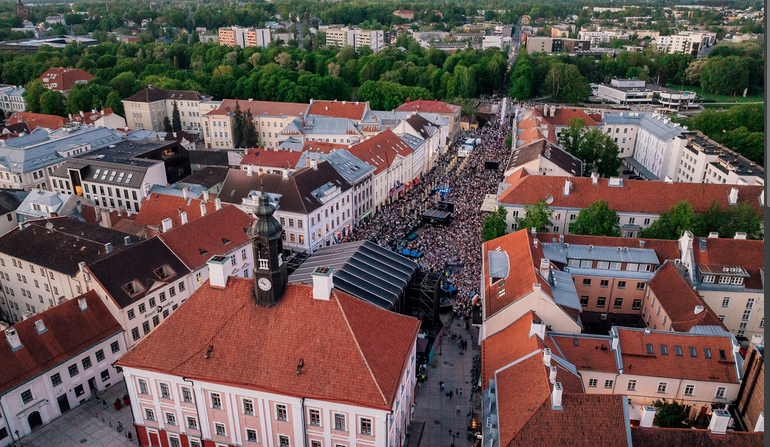
- Seasonal events, such as student days, that turn the city center into a festival area
The mix of local and international students creates a relaxed social scene. You can join international evenings, language exchange meetups, or sports clubs. Because the city is affordable compared with many Western capitals, you can enjoy this social life without high daily costs, which many international students value.
Support services for University of Tartu students
Strong support services help international students adapt to a new country and academic system. The University of Tartu offers a range of services, described across official websites and international student guides.
Typical support options include:
- Orientation programs for new international students, with campus tours and information sessions
- Academic counseling to help plan your curriculum and handle study challenges
- Career services, which offer CV workshops, job‑seeking advice, and employer events
- Psychological counseling and well-being support, often free or low‑cost for students
- Practical support with residence permits, housing information, and settling into Estonia
Information for new arrivals is gathered in dedicated pages for international students.
These guides cover everything from health insurance to public transport and student discounts. When you use these resources from day one, you shorten your adjustment period and get more out of student life in Tartu.
Further reading:
Summary
University of Tartu students study in a historic yet modern research university with about 13,000 learners and a visible international community. Admissions are selective but reachable if you meet the academic and English‑language requirements and submit a careful application. Courses are demanding but fair, and designed so international students can succeed with steady work.
Student life in Tartu is compact, social, and affordable, with many ways to join clubs, events, and cultural activities. A broad network of support services, from orientation to counseling, helps you adapt and thrive. If you plan your application well and make use of these resources, studying in Tartu can be a rewarding step in your academic and personal journey.
FAQ
Q1. How many students are at the University of Tartu?
The University of Tartu has around 13,000 students in total, based on recent public statistics.
This includes bachelor’s, master’s, and doctoral students, as well as both local and international learners.
Q2. What are the admission requirements for University of Tartu?
Admission requirements depend on the level and program. In general, you need a recognized secondary school certificate for bachelor’s programs or a relevant bachelor’s degree for master’s studies, plus proof of English proficiency and program‑specific documents like a motivation letter or interview. Exact criteria and deadlines are listed for each curriculum on official admission pages.
Q3. How competitive is it to get into University of Tartu?
Admission is moderately competitive. In a recent cycle, more than 10,000 people submitted over 14,000 applications for first and second‑level studies, which shows strong demand for a limited number of spots. Independent sources also report an acceptance rate in the several‑tens‑of‑percent range, which means you need a solid application but entry is realistic for qualified candidates.
Q4. Are University of Tartu courses hard for international students?
Courses can feel demanding because they follow research university standards, with a focus on independent study, projects, and active participation. However, English‑taught programmers are designed for international students and many lecturers have long experience with diverse classrooms.
If you stay engaged, use support services, and manage your time, the workload is challenging but manageable.
Q5. What student support services does the University of Tartu offer?
The University of Tartu offers orientation events, academic counseling, career services, and psychological support for students. International students can also access guidance on residence permits, housing, and life in Estonia through dedicated information pages and staff support.


